
Empowering Small Businesses with Secure, Scalable, and Customizable ERP & CRM Solutions
In 2026, small businesses increasingly rely on open-source ERP software and CRM solutions to manage operations efficiently, automate workflows, and enhance customer experience. Unlike proprietary software, open-source platforms provide flexibility, cost-effectiveness, and full control over customization, integration, and security.
By leveraging ERP customization services and CRM automation, small businesses can streamline accounting, inventory, sales, and marketing processes while maintaining data security and compliance. Professional services from providers like DevDiligent ensure that these systems are deployed with DevSecOps practices and SBOM (Software Bill of Materials) compliance.
This article explores the top open-source ERP and CRM platforms, essential customization services, and future-ready solutions for small businesses in 2026.
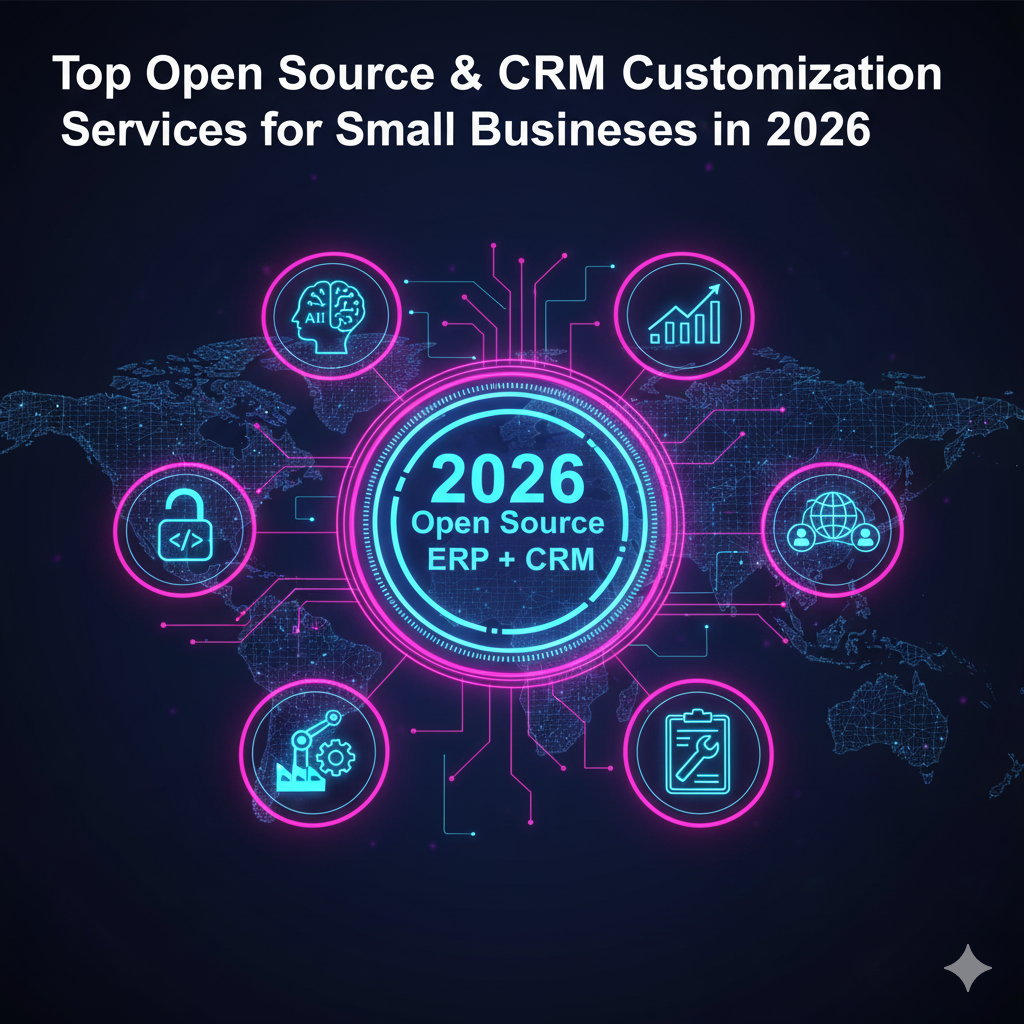
Top Open-Source ERP & CRM Platforms Comparison
| Platform | Type | Key Features | Customization Options | Cloud Support | Ideal For |
|---|---|---|---|---|---|
| Odoo | ERP | Accounting, Inventory, Manufacturing, HR, E-commerce | Modular apps, APIs, low-code | Yes | Startups & growing SMEs needing full ERP |
| ERPNext | ERP | Financials, Projects, Supply Chain, CRM, HR | Low-code, API integration, workflow automation | Yes | Small businesses seeking flexibility & cost efficiency |
| Dolibarr | ERP | Invoicing, Inventory, Project Management, CRM | Plugins, module customization | Limited | SMEs with minimal IT resources |
| SuiteCRM | CRM | Sales Automation, Marketing, Customer Support | Extendable modules, workflows, dashboards | Yes | Small to mid-size teams focused on CRM |
| EspoCRM | CRM | Lead Management, Email Integration, Analytics | Custom entities, workflows, modules | Yes | Lightweight, cloud-friendly CRM for small teams |
| YetiForce | CRM | Sales, Marketing, Project Management, Support | Modular customization, roles & permissions | Yes | Growing businesses requiring secure, scalable CRM |
This table gives a clear overview of the best open-source ERP and CRM platforms, helping small businesses compare features, customization options, and deployment flexibility.
Why Small Businesses Choose Open Source ERP & CRM
Open-source ERP and CRM systems offer several advantages for growing businesses:
- Cost-Effective Solutions – Avoid expensive licensing fees with free-to-use and community-supported platforms.
- Flexible Customization – Tailor ERP modules and CRM workflows to unique business needs.
- Scalable Platforms – Easily scale as the business expands.
- Integration-Ready Systems – Connect ERP and CRM to accounting, e-commerce, marketing, and analytics tools.
- Secure Data Management – Maintain full control over business and customer data.
By 2026, small businesses can use custom ERP and CRM solutions to drive growth, optimize operations, and improve customer relationship management without compromising security.
Top Open-Source ERP Solutions for Small Businesses
1. Odoo ERP
- Features: Accounting, inventory management, manufacturing, HR, e-commerce.
- Customization: Modular structure allows businesses to add or remove apps as needed.
- Why Small Businesses Prefer It: User-friendly interface, strong community support, and cloud deployment options.
2. ERPNext
- Features: Project management, financial reporting, supply chain, CRM, HR.
- Customization: Offers low-code development and API integration for workflow automation.
- Why Small Businesses Prefer It: Extensive open-source documentation and free modules for easy adaptation.
3. Dolibarr
- Features: Invoice management, project tracking, inventory, CRM, HR.
- Customization: Lightweight, flexible, and easily extendable with plugins.
- Why Small Businesses Prefer It: Quick implementation and minimal IT resources required.
Top Open-Source CRM Solutions for Small Businesses
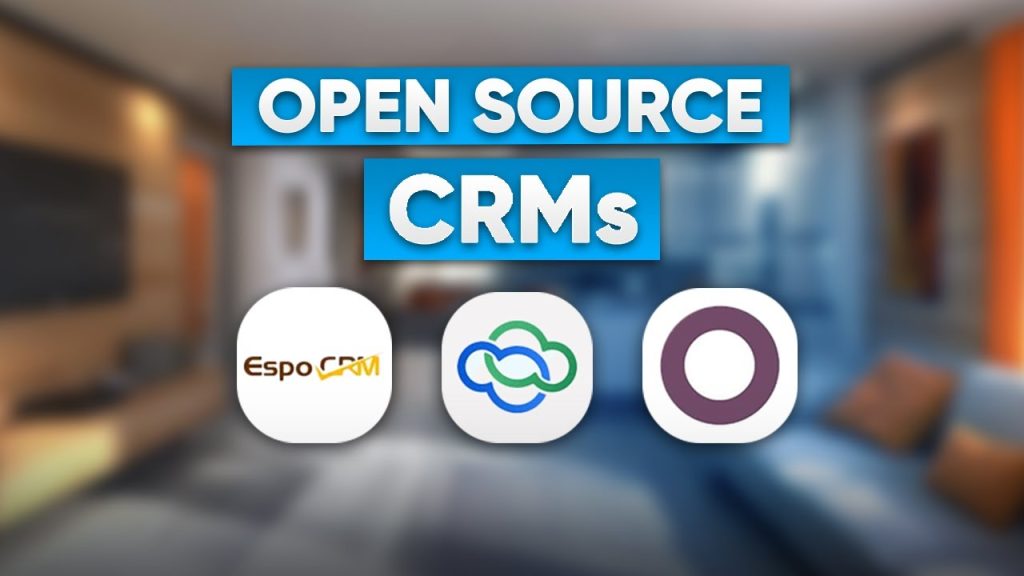
1. SuiteCRM
- Features: Sales automation, marketing campaigns, customer support, reporting dashboards.
- Customization: Extendable modules, workflows, and dashboards tailored to business requirements.
- Why Small Businesses Prefer It: Focused on customer relationships and easy CRM automation.
2. EspoCRM
- Features: Lead management, email integration, workflow automation, analytics.
- Customization: Developers can create custom modules, entities, and integrations.
- Why Small Businesses Prefer It: Lightweight, cloud-friendly, and suitable for small teams.
3. YetiForce
- Features: Sales, marketing, project management, customer service.
- Customization: Modular design with advanced role and permission control.
- Why Small Businesses Prefer It: Secure, scalable, and ideal for businesses planning future growth.
Importance of ERP & CRM Customization Services:
Small businesses require custom ERP and CRM services to:
- – Align software with unique operational workflows.
- – Integrate ERP/CRM with accounting, e-commerce, and marketing platforms.
- – Automate repetitive tasks using workflow automation.
- – Ensure security and compliance using DevSecOps ERP practices and SBOM transparency.
- – Improve user adoption through custom dashboards and reporting.
DevDiligent offers comprehensive ERP & CRM customization services, including:
- – Implementation Services – Deploy Odoo, ERPNext, SuiteCRM, EspoCRM, Dolibarr, or YetiForce efficiently.
- – Workflow & Module Customization – Tailor sales, marketing, inventory, finance, and HR workflows.
- – Integration Solutions – Connect ERP and CRM with cloud platforms, e-commerce, analytics, and email systems.
- – Security & Compliance – Apply DevSecOps, SBOM, and data privacy best practices.
- – Ongoing Maintenance & Support – Regular updates, monitoring, and troubleshooting for uninterrupted operations.
Key ERP & CRM Features Small Businesses Should Customize
- – Sales & Marketing Automation – Automate lead scoring, campaigns, follow-ups, and reporting.
- – Inventory & Order Management – Track stock, manage suppliers, and automate purchase workflows.
- – Financial Management – Customize invoicing, tax calculations, and expense tracking.
- – Reporting & Analytics – Create dashboards to monitor KPIs, revenue, and operational efficiency.
- – Workflow Automation – Streamline approvals, notifications, and internal processes.
- – Security & Compliance – Implement role-based access, GDPR compliance, and encryption protocols.
Future Trends in Open Source ERP & CRM for 2026
- – AI-Powered ERP & CRM – Predictive analytics, smart lead scoring, and automated insights.
- – Cloud-Based ERP & CRM – Flexible, scalable, and remote-friendly platforms.
- – Low-Code/No-Code Customization – Modify workflows without heavy developer involvement.
- – Enhanced Security – DevSecOps ERP & CRM practices to prevent cyber threats.
- – SBOM Compliance – Track all software components for supply chain security.
- – Mobile & IoT Integration – Real-time operations and customer management on mobile devices.
Conclusion:
In 2026, open-source ERP and CRM customization services are vital for small businesses seeking efficiency, security, and scalability. Platforms like Odoo, ERPNext, SuiteCRM, EspoCRM, Dolibarr, and YetiForce offer robust features, while DevDiligent ensures professional deployment, secure integrations, and workflow automation.
Investing in customized ERP and CRM solutions allows small businesses to streamline operations, enhance customer relationships, and achieve digital transformation while maintaining data control and compliance.
![Why Are People Leaving SuiteCRM? [Insights & Alternatives]](https://devdiligent.com/blog/wp-content/uploads/2025/10/Untitled-design-10.png "Why Are People Leaving SuiteCRM? [2025 Insights & Alternatives]")