
Open-source software (OSS) is more than just a development convenience — it’s the critical foundation of modern digital infrastructure. By 2026, open-source security will be a central concern for businesses, not only for innovation but for trust, risk management, and compliance.
In this blog, we analyze where open-source security is heading, why DevSecOps is becoming a non-negotiable discipline, and how SBOM (Software Bill of Materials) requirements are evolving — especially for U.S.-based companies. Whether you’re a CTO, a developer, or a business leader, this insight will help you prepare for the future.
Why Open Source Security Is a Top Priority in 2026
As businesses increasingly rely on open-source software, ensuring its security has never been more critical. Vulnerabilities in third-party components can pose serious risks, from data breaches to compliance issues. Understanding why open-source security is a top priority in 2026 helps organizations prepare and implement effective strategies.
1. Explosive Use of OSS + Rising Threat Surface
- – Modern applications rely heavily on open-source components. According to online research, a large percentage of software today is built upon open-source libraries.
- – However, increased use means more exposure: malicious packages, supply chain attacks, and dependency confusion are very real risks.
- – Attack vectors are evolving: software supply chain attacks (like typosquatting) are now common attack methods.
2. Regulatory & Compliance Pressure
- – The growing regulatory landscape means that companies not preparing now could struggle to comply in the near future.
- – U.S. Executive Order 14028 mandates SBOMs for software sold to or used by federal agencies.
- – Many businesses (even outside the public sector) are preemptively adopting SBOM practices to meet client or partner demands.
DevSecOps: The New Standard for Open-Source Development
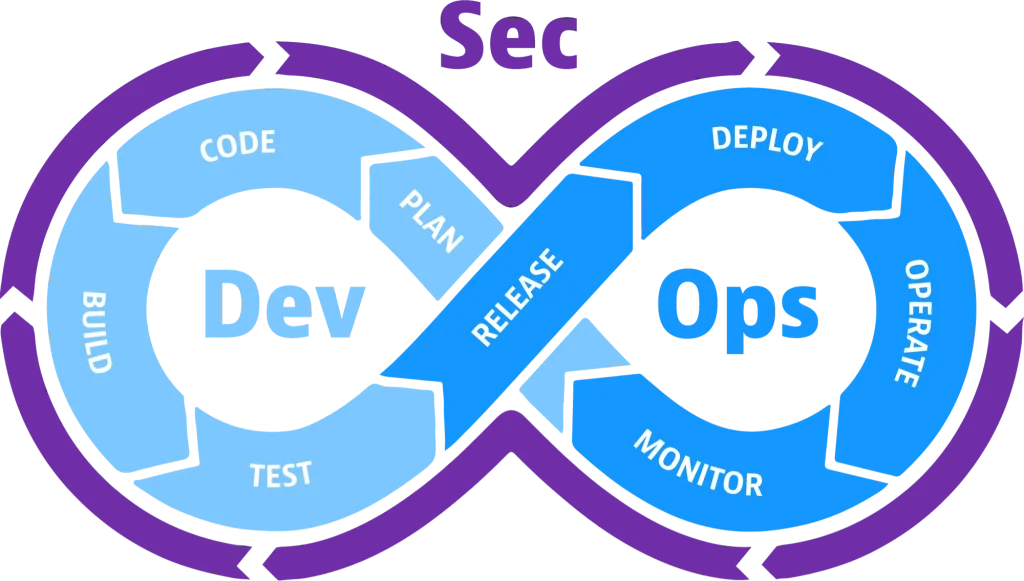
What Is “Open Source DevSecOps”?
DevSecOps is the practice of integrating security into every stage of the development lifecycle — from planning and coding to testing, deployment, and monitoring. For open-source projects, this means:
- – Automatically scanning dependencies
- – Securing infrastructure as code
- – Shifting security “left” so vulnerabilities are caught early
Why DevSecOps Matters More Than Ever in 2026
-
Shift-Left Security
- – Security is no longer just a gate before production: it’s embedded in the CI/CD pipeline.
- – Developers get feedback early (via static analysis, SAST, SCA), reducing expensive rework.
-
AI and Automation
- – AI-driven security tools are increasingly common. These tools can detect, prioritize, and even fix vulnerabilities without human intervention.
- – Continuous compliance checks become automated — reducing manual effort and error.
-
Regulatory Integration & Compliance as Code
- – Security-as-Code: embedding compliance rules, security policies, and threat models directly into code.
- – This helps teams satisfy regulatory requirements (like SBOM generation) within their DevSecOps processes.
-
Secure Development Culture
- – A DevSecOps mindset encourages shared responsibility: developers, operations, and security teams collaboratively manage risk.
- – For open-source projects, this also strengthens trust: contributors and users can validate the security posture of the software.
SBOM Requirements: The Backbone of Transparency
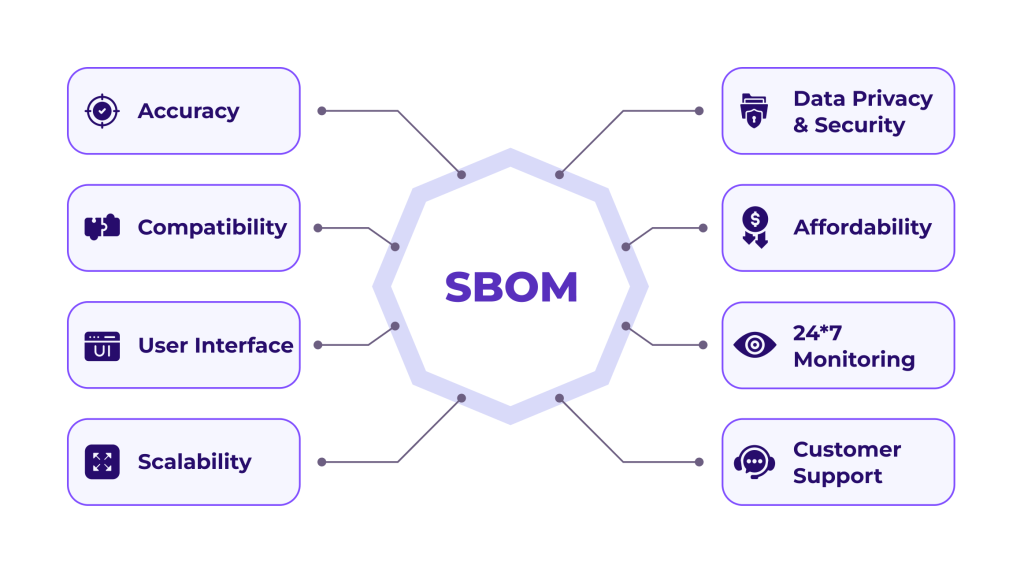
What Is SBOM?
A Software Bill of Materials (SBOM) is essentially a detailed inventory of all components, dependencies, libraries, and versions used in a piece of software.
Why SBOMs Are Critical in 2026
- – Regulatory Demand: As noted, U.S. Executive Order 14028 requires SBOMs for certain types of software.
- – Security Insight: SBOMs allow teams to quickly identify vulnerable or outdated components.
- – Supply Chain Governance: By having a “bill of materials,” companies can better manage software supply chain risk.
- – Continuous Compliance: SBOMs should be updated with every new release to remain effective.
Best Practices for SBOM Adoption
- – Use automated tools to generate SBOMs in standard formats (e.g., SPDX, CycloneDX).
- – Integrate SBOM generation into DevSecOps pipelines.
- – Regularly scan your SBOM against vulnerability databases.
- – Maintain a versioned SBOM for each release.
- – Provide SBOMs to your customers or partners when requested — especially if you serve regulated customers.
Emerging Trends & Predictions for 2026

Here’s what’s likely to shape open-source security, DevSecOps, and SBOM practices in the next few years:
-
Market Growth
- – The DevSecOps market is expected to accelerate rapidly, fueled by SBOM requirements and the growing cost of supply chain risk.
-
Security Tools Innovation
- – We’ll see more open-source and AI-powered security tools tailored for open-source ecosystems.
- – Tools like SCA scanners, code-signing (e.g., Sigstore), and policy-as-code will become more mature.
-
Build Reproducibility & Transparency
- – New research shows a push toward reproducible builds — meaning binaries can be rebuilt identically from source.
- – This will help validate SBOM authenticity and reduce risk from tampered artifacts.
-
Stronger Supply-Chain Standards
- – Academic and industry work on supply chain “smells” — suspicious dependency structures, outdated or risky sub-dependencies — will drive tool development.
- – Standardisation efforts (e.g., SLSA – Supply-chain Levels for Software Artifacts) will gain broader adoption.
What Should CTOs, Developers & Business Leaders Do Now?
Here’s a practical roadmap for adopting open-source security best practices by 2026:
-
Audit Your Open Source Usage
- Inventory all open-source dependencies in your stack.
- Generate an SBOM for your current version and start embedding this into your release process.
-
Embed DevSecOps
- Integrate static (SAST) and dependency (SCA) scanning in your CI/CD pipelines. Tools like GitLab Ultimate or open-source equivalents help.
- Adopt a shift-left security culture: train developers, enforce security-as-code policies, and include compliance checks early.
-
Automate SBOM Generation
- Use tools that support standard SBOM formats.
- Make SBOM generation part of your build pipeline to ensure it’s always up to date.
-
Monitor & Respond
- Continuously scan your SBOM against vulnerability databases.
- Use AI-driven alerting or analysis to prioritize and remediate critical issues quickly.
-
Govern for Compliance
- Develop policy-as-code so that security, DevSecOps, and SBOM compliance are baked into your processes.
- Document your SBOM, threat model, and security policies — this will help in audits and customer trust.
Why This Matters for Business & Product Owners
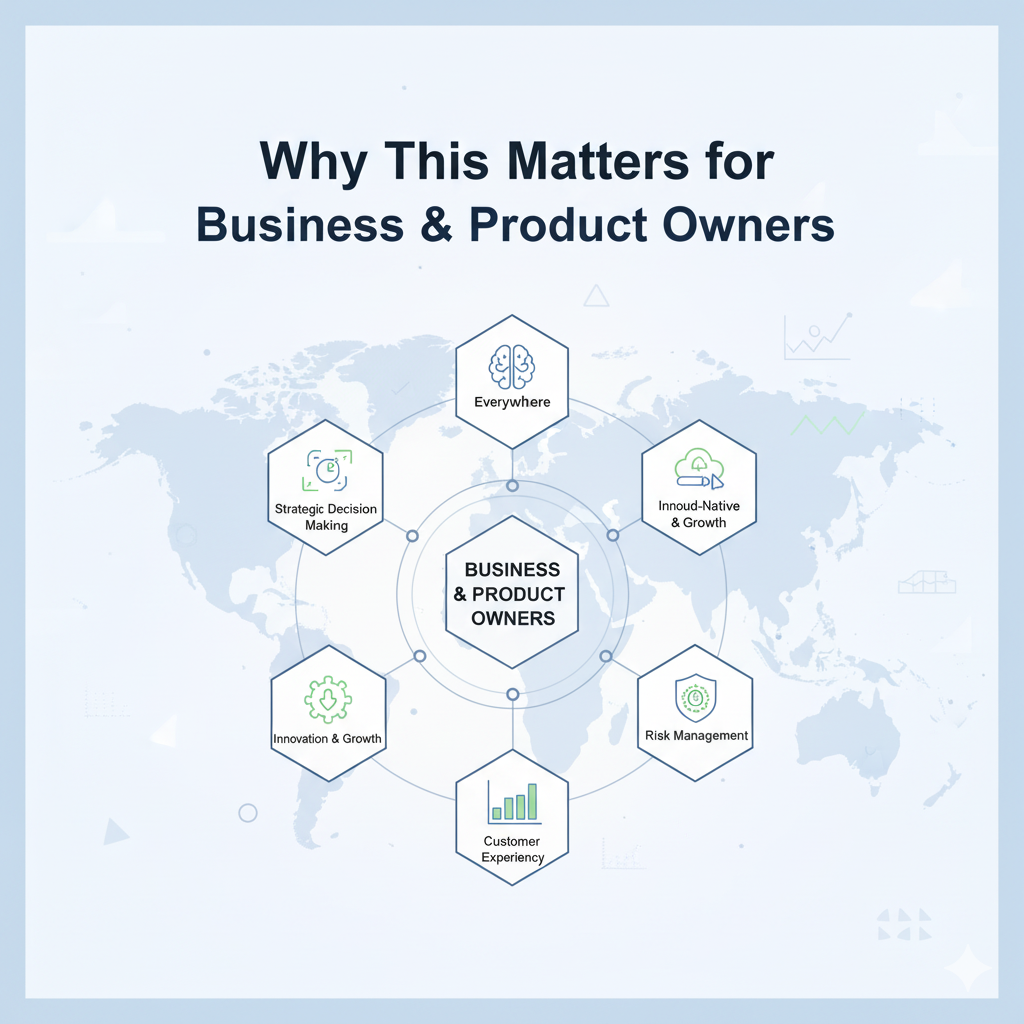
- – Risk Mitigation: By proactively addressing OSS risk, you reduce the chance of supply chain attacks, which are becoming more frequent.
- – Trust & Differentiation: Firms that provide SBOMs and commit to DevSecOps can differentiate themselves as more trustworthy and secure.
- – Regulatory Readiness: For companies working with U.S. government entities or large enterprises, SBOM readiness will become a requirement, not an option.
- – Efficiency: DevSecOps and automation improve developer productivity, by catching issues earlier and reducing manual security work.
Final Thoughts
The landscape of open-source software in 2026 will be radically more security-conscious than it is today. DevSecOps, once a niche discipline, is becoming central. SBOM, once optional, is now a compliance requirement in many contexts. Businesses that take proactive steps now to operationalize secure open-source development won’t just survive — they’ll gain a competitive edge.
If you’re leading a development team or building a product that uses open-source components, it’s time to act: build your SBOM strategy, integrate DevSecOps deeply, and embrace transparency. The future favors those who combine innovation with responsibility.

![Why Are People Leaving SuiteCRM? [Insights & Alternatives]](https://devdiligent.com/blog/wp-content/uploads/2025/10/Untitled-design-10.png "Why Are People Leaving SuiteCRM? [2025 Insights & Alternatives]")