Why Every Business Needs CRM Software
In today’s digital era, managing customers manually is nearly impossible. Businesses—whether startups or large enterprises—rely on CRM (Customer Relationship Management) software to organize leads, track customer interactions, and automate marketing and sales.
But with so many CRM platforms available, how do you choose the right one?
This guide covers the best CRM software examples in 2026, categorized by use case, pricing, and business type — so you can make an informed decision.
What is CRM Software?
CRM software helps businesses store, track, and manage customer relationships in one centralized system.
It acts as the digital brain of your business — connecting sales, marketing, and customer service teams.
Core features include:
- – Contact and lead management
- – Sales pipeline tracking
- – Workflow automation
- – Reporting and analytics
- – Email and social media integration
Top CRM Software Examples in 2026
Let’s explore some of the leading CRM systems that dominate the market today — from open-source options to enterprise-grade solutions.
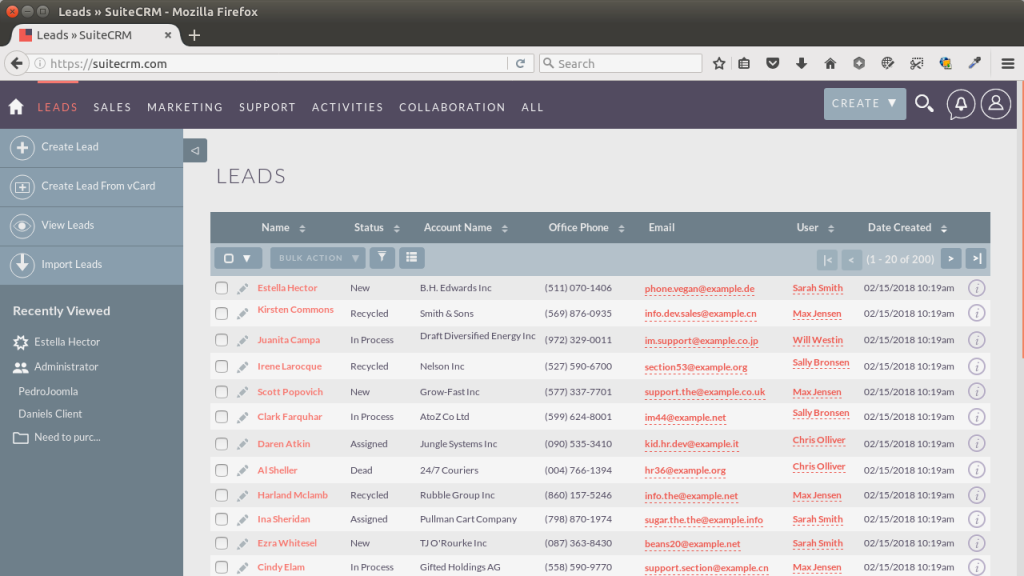
1. SuiteCRM (Best Open-Source CRM for Developers)
SuiteCRM is a powerful open-source CRM platform trusted by businesses worldwide.
It’s fully customizable and perfect for companies that want flexibility without high licensing costs.
Key Features:
- – 100% free and open-source
- – Custom module creation
- – Marketing automation & workflow management
- – REST API for integrations
- – Scalable for SMEs and enterprises
Best For:
Businesses that want full control over their CRM and data privacy.
Notable Use Case:
A logistics firm using SuiteCRM integrated with ERP to automate shipment tracking and client invoicing.
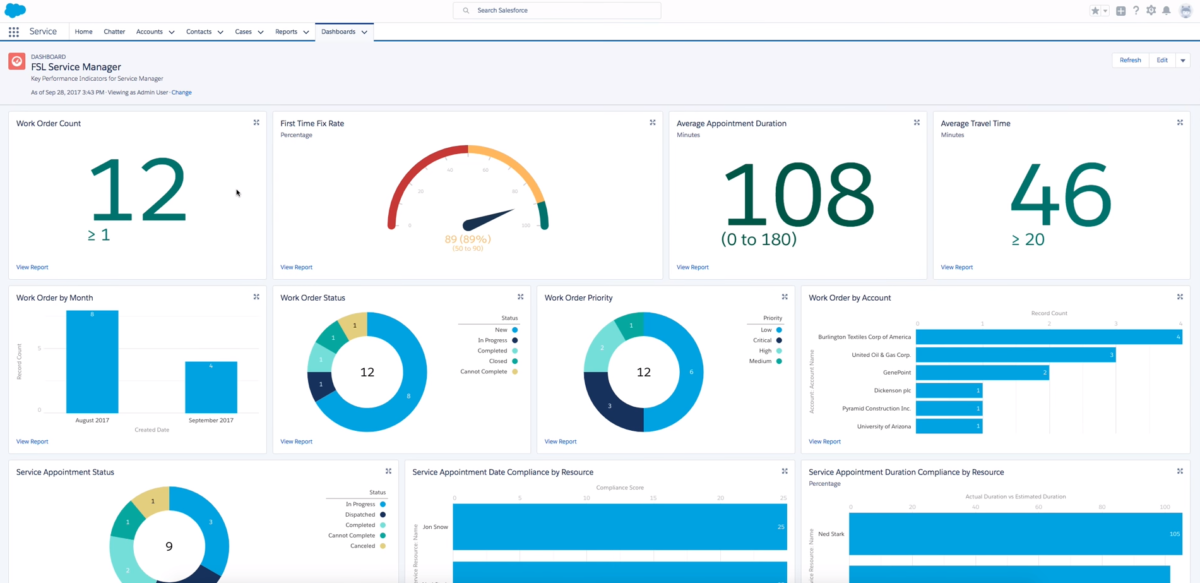
2. Salesforce CRM (Best for Enterprises)
Salesforce is the world’s most popular CRM platform, offering an advanced cloud ecosystem.
Key Features:
- – AI-driven analytics (Einstein AI)
- – Extensive integration options
- – Industry-specific solutions
- – Strong automation and forecasting
Best For:
Large enterprises with complex sales workflows and high customization needs.
Pricing:
Starts from around $25/user/month.
3. HubSpot CRM (Best for Startups and SMEs)
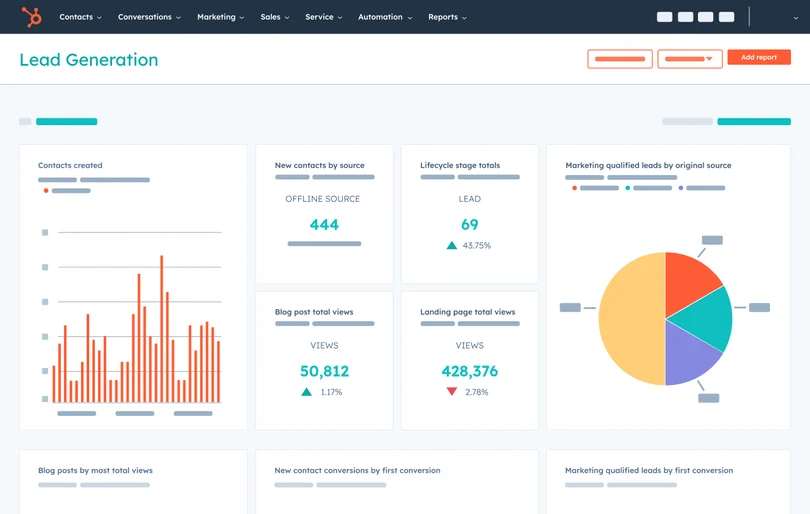
HubSpot CRM is ideal for small to medium businesses looking for a user-friendly, free tool to start.
Key Features:
- – Free basic CRM forever
- – Visual sales pipeline
- – Marketing and email tools included
- – Easy integration with Gmail, Slack, and WordPress
Best For:
Startups focusing on inbound marketing and sales automation.
Pro Tip:
HubSpot offers a Marketing Hub and Sales Hub for growing companies that want premium tools later.
4. Zoho CRM (Best Value for Small Teams)
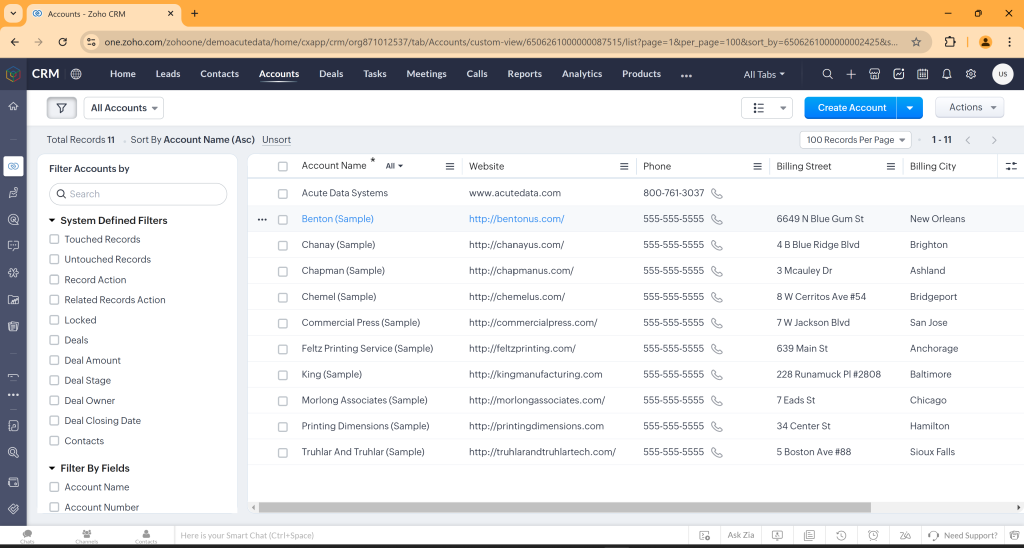
Zoho CRM offers a full suite of customer management tools at affordable prices.
Key Features:
- – Omnichannel communication (email, chat, phone)
- – Sales forecasting and automation
- – AI-powered insights (Zia Assistant)
- – Custom modules & dashboards
Best For:
Small to mid-sized businesses that want automation and analytics on a budget.
5. Microsoft Dynamics 365 (Best for Microsoft Ecosystem Users)
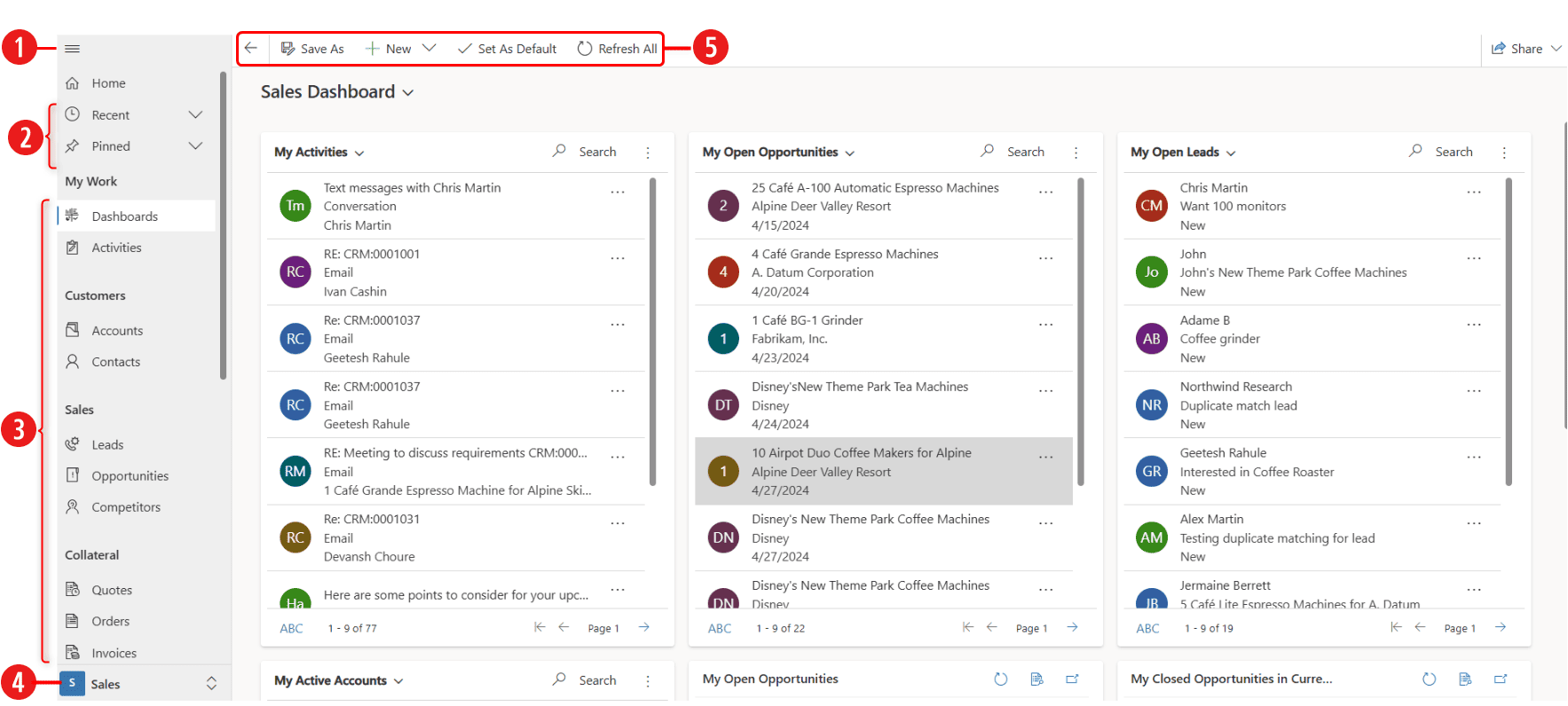
For companies already using Microsoft products (Office 365, Teams, Azure), Dynamics 365 offers seamless integration.
Key Features:
- – Advanced business intelligence
- – Customizable dashboards
- – Integration with Power BI and SharePoint
- – AI and predictive sales models
Best For:
Enterprises that depend on Microsoft tools for daily operations.
6. Pipedrive (Best for Sales Teams)
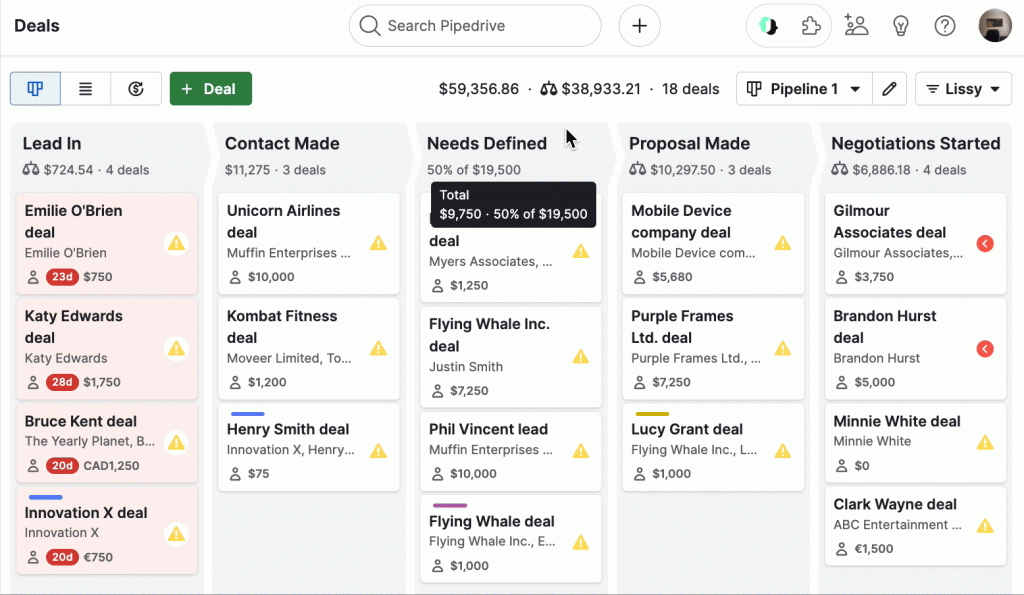
Pipedrive is designed specifically for sales teams that want a visual, drag-and-drop pipeline to track deals.
Key Features:
- – Deal management board
- – Email tracking and automation
- – Goal setting and analytics
- – Mobile-friendly dashboard
Best For:
Sales-focused organizations and startups.
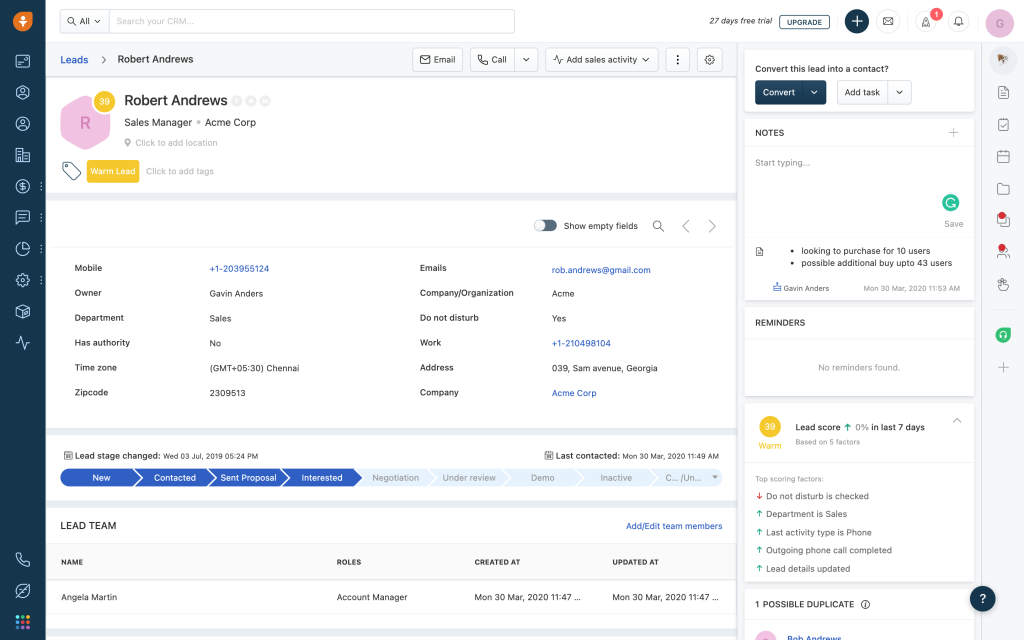
7. Freshsales by Freshworks (Best for Customer Engagement)
Freshsales helps businesses engage prospects with context-driven insights.
Key Features:
- – AI-based lead scoring
- – Built-in phone and email
- – Workflow automation
- – 360° customer view
Best For:
Businesses seeking an easy CRM that improves communication and follow-ups.
CRM Software Examples – CRM Comparison Table (2025)
| CRM Platform | Type | Best For | Pricing (Starting) |
|---|---|---|---|
| SuiteCRM | Open Source | Developers & SMEs | Free |
| Salesforce | Cloud | Large Enterprises | $25/user/month |
| HubSpot | Cloud | Startups & SMEs | Free |
| Zoho CRM | Cloud | Small Businesses | $14/user/month |
| Microsoft Dynamics 365 | Enterprise | Corporates | $50/user/month |
| Pipedrive | Sales-Focused | Sales Teams | $12.50/user/month |
| Freshsales | AI-driven | Customer Engagement | $15/user/month |
Why Open-Source CRM (Like SuiteCRM) Is Gaining Popularity
In 2025, open-source solutions like SuiteCRM are becoming the go-to option for small and mid-sized businesses.
Here’s why:
- -No recurring license fees
- – Full ownership of data (GDPR-compliant)
- – Endless customization flexibility
- – Active developer community
- – Integration-ready with ERP, HRM, and accounting tools
For tech-driven organizations, SuiteCRM allows full control — something paid CRMs often limit.
What should UK companies look for when comparing CRM software examples?
UK firms should compare ease of use, reporting, GDPR compliance, integration with existing tools, local or UK‑time‑zone support, and pricing in GBP when shortlisting CRM software examples.
How to Choose the Right CRM for Your Business
Before investing in a CRM, consider:
1. Business size and team structure
2. Budget and scalability needs
3. Integration with current tools
4. Customization and open API availability
5. Security and data ownership
At DevDiligent, we help businesses select, implement, and customize the best CRM platform that aligns with their goals — from SuiteCRM to Salesforce.
Final Thoughts
– The best CRM software examples depends on your business type, goals, and budget.
– If you want full control and scalability, SuiteCRM leads the open-source category.
– For fast onboarding and marketing automation, HubSpot or Zoho CRM shine.
– And for enterprise-grade power, Salesforce and Microsoft Dynamics remain unmatched.
Whether you’re in Texas, Florida, London, or Toronto, DevDiligent helps businesses implement custom CRM software that drive productivity, revenue, and long-term growth.