Introduction: Why Open Source CRM Is the Fastest-Growing Trend Among Startups in the USA
In 2025, American startups face one major challenge: growing rapidly while keeping software costs low. Customer acquisition, sales pipeline management, lead nurturing, and marketing automation require a powerful CRM. But most traditional CRMs like Salesforce, Pipedrive, or Freshsales are expensive, and their per-user pricing grows as your team expands.
This is exactly why thousands of founders, developers, and bootstrapped startups in the USA are increasingly turning to open source CRM software.
Open source CRMs provide:
-
- 1. Complete data ownership
-
- 2. Unlimited customization
-
- 3. Zero licensing cost
-
- 4. Self-hosted control
-
- 5. GitHub-based enhancements
-
- 6. Strong community support
-
- 7. Enterprise-grade features without enterprise pricing
In this guide, you’ll discover the best open source CRM software USA for startups in the USA, including free downloadable options, GitHub-supported CRM systems, and the top US-recommended CRM tools for small businesses and early-stage SaaS companies. This article also answers every major search query asked on Google SERP, Reddit, and Quora related to open source CRM systems, self-hosted CRMs, and free CRM tools.
What Is an Open Source CRM?
An open source CRM is customer management software where the developer community or the company openly shares the source code. This allows startups to:
-
- 1. Install it on their own server (local, cloud, or VPS)
-
- 2. Modify its features
-
- 3. Create new modules
-
- 4. Integrate APIs
-
- 5. Customize the dashboard
-
- 6. Add plugins
-
- 7. Enhance security
For developers and tech-led startups in the USA, open source CRMs are incredibly powerful because they offer the freedom to build a CRM that fits your exact workflows something usually impossible with closed-source systems like HubSpot or Zoho.

Why USA Startups Prefer Open Source CRM Over Proprietary CRM in 2026
Below are the top reasons startups in America prefer open source CRM tools. Each point is expanded to provide maximum clarity for founders evaluating CRM options.
1. Cost Savings (Free Forever or Extremely Low Cost)
New businesses often operate on tight budgets. Open source CRMs eliminate expensive per-user fees and make it possible to onboard large teams without extra cost. For a startup with 20 team members, switching from a paid CRM to an open source alternative can save $15,000–$30,000 per year.
2. Full Customization (From UI to Database Level)
Most US startups have unique workflows. Open source CRMs let developers create:
-
- 1. Custom fields
-
- 2. Automation rules
-
- 3. New modules
-
- 4. Industry-specific templates
-
- 5.Custom dashboards and analytics
This level of flexibility is essential for SaaS startups, B2B service companies, agencies, and niche industries.
3. Self-Hosted Deployment for Maximum Control
Data privacy laws are becoming stricter in the USA. Many startups now prefer hosting CRM data on:
-
- 1. AWS
-
- 2. DigitalOcean
-
- 3. Linode
-
- 4. Azure
-
- 5. Or private data centers
Self-hosting ensures full ownership and regulatory compliance, especially for industries like fintech, healthcare, and cybersecurity.
4. Scalability Without Paying More
Most proprietary CRMs charge per user. Startups may pay nothing in the beginning but costs explode as they expand. With open source CRMs, user limits are either unlimited or customizable based on server capacity.
5. Community-Backed Security and Frequent Updates
Open source systems like Odoo, SuiteCRM, and ERPNext have huge global communities. This means:
-
- 1. Faster bug detection
-
- 2. Better security patches
-
- 3. Active plugin development
-
- 4. Continuous improvement
For startups relying on fast deployment and innovation, open source is the clear winner.
Best Open Source CRM Software for Startups in the USA
Below is a detailed, expanded, highly informative review of the top open-source CRMs suitable for American startups.
1. SuiteCRM – The Best Fully Free Open Source CRM for Startups in the USA
SuiteCRM remains the most recommended open source CRM for American startups. It is widely known as the leading free alternative to Salesforce and is trusted by thousands of SMBs, government agencies, and tech teams worldwide.
Why SuiteCRM Is #1
100% Free Forever
There are no paid tiers or hidden fees. Everything is fully open source, and the CRM offers enterprise-grade functionality without any recurring cost.
Built for All Industries
SuiteCRM works for:
-
- 1. Real estate
-
- 2. SaaS
-
- 3. Agencies
-
- 4. Consulting
-
- 5. Manufacturing
-
- 6. Non-profits
-
- 7. B2B service businesses
Extremely Feature-Rich
Key modules include:
-
- 1. Sales pipeline
-
- 2. Workflow automation
-
- 3. Custom reporting
-
- 4. Quotes & invoicing
-
- 5. Opportunity management
-
- 6. Customer service & support
-
- 7. Marketing campaigns
Highly Customizable
Startups with developers love SuiteCRM because they can change:
-
- 1. The UI
-
- 2. The database
-
- 3. The modules
-
- 4. The business logic
Strong Community Support
Thousands of contributors maintain plugins, fixes, and extensions.
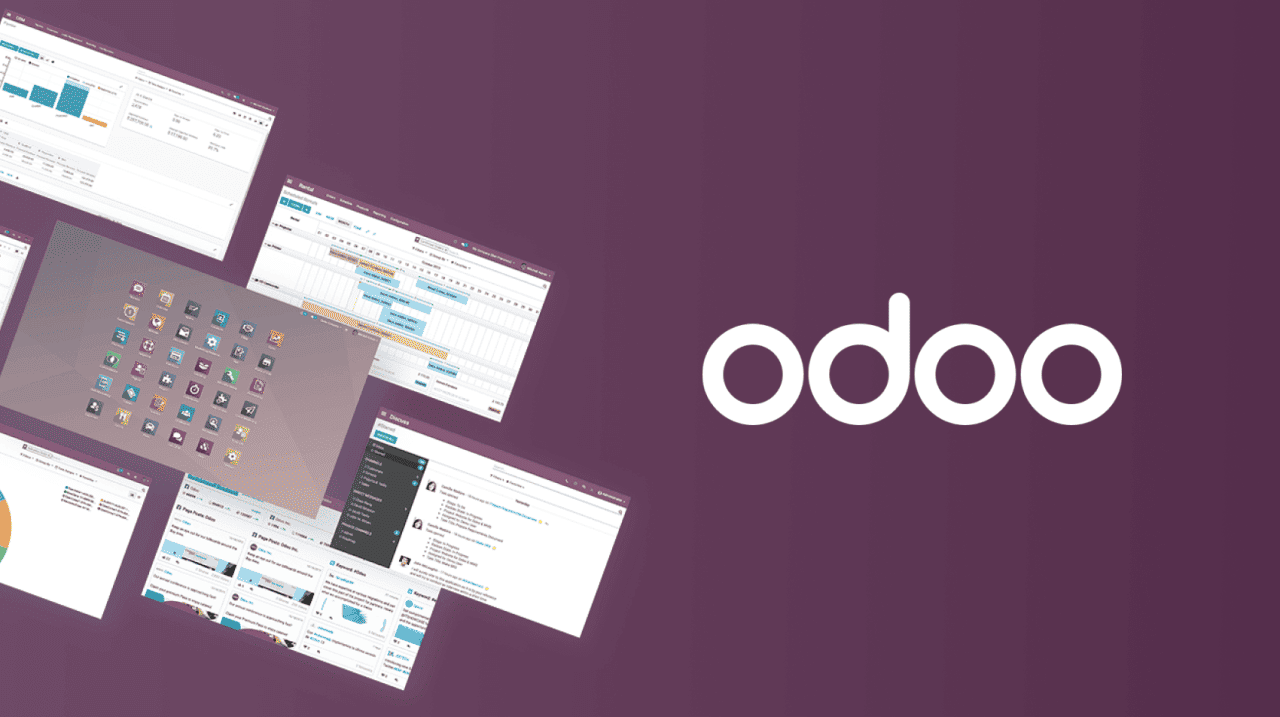
2. Odoo CRM – Best All-in-One Open Source Business Platform
Odoo is the fastest-growing open source business suite in the world. Its CRM module is extremely powerful, but what makes Odoo different is the availability of over 40 business apps.
Why Odoo CRM Stands Out
1. CRM + ERP + Website + Accounting
Odoo covers the entire business workflow, not just CRM.
2. Modern UI + Easy for Beginners
Most startups find the dashboard intuitive.
3. Massive Marketplace
More than 30,000 apps exist in the Odoo marketplace.
4. Developer-Friendly
Built on Python (Frappe framework), making customization easier than PHP-based CRMs.
Odoo is ideal for startups planning to scale operations fast.

3. Vtiger – Best Open Source CRM for Startups Seeking Affordable Upgrades
Vtiger offers both a free open source edition and a reasonably priced cloud edition.
Why Startups Love Vtiger
-
- 1. Clean interface
-
- 2. Advanced automation
-
- 3. AI-powered insights
-
- 4. Contact management
-
- 5. Pipeline tracking
Vtiger’s combination of affordability + ease of use makes it suitable for marketing agencies and service-based startups in the USA.
4. OroCRM – Best CRM for Ecommerce & Retail Startups
OroCRM is created by the founders of Magento, making it perfect for:
-
- 1. Ecommerce businesses
-
- 2. Multi-store retailers
-
- 3. Marketplace-based startups
Top Features
-
- 1. Customer segmentation
-
- 2. Multichannel data aggregation
-
- 3. Strong Magento integration
-
- 4. Detailed customer reports
OroCRM is highly scalable and extremely powerful for companies with large customer bases.
5. Dolibarr CRM – Best Lightweight CRM for Small Local Startups in the USA
Dolibarr is simple, fast, and ideal for non-technical teams.
Why Dolibarr Is Popular
-
- 1. Easy installation
-
- 2. Built-in billing tools
-
- 3. Inventory management
-
- 4. POS support
Many small US businesses use Dolibarr because it works well even on shared hosting.
6. YetiForce CRM – Best Open Source CRM for Data Security
YetiForce is one of the most security-focused CRMs with advanced protection systems.
Top Features
-
- 1. Strong permission control
-
- 2. VOIP integration
-
- 3. Ticket management
-
- 4. Kanban sales view
Healthcare and finance startups often choose YetiForce.
7. EspoCRM – Best UI/UX and Developer-Friendly CRM
EspoCRM offers one of the cleanest user interfaces among open source CRMs.
Why EspoCRM Is Special
-
- 1. Intuitive design
-
- 2. Strong REST API
-
- 3. Custom entities
-
- 4. Sales automation
It is a top choice for SaaS and digital platform startups.
8. ERPNext CRM – Best CRM + ERP for Scaling Operations
ERPNext is a complete open source ERP with a powerful CRM module.
Highlights
-
- 1. Email marketing
-
- 2. Lead scoring
-
- 3. Quotation management
-
- 4. Project tracking
-
- 5. Full ERP suite
Perfect for tech-driven startups wanting one unified system.
9. Crust CRM (Corteza) – Best Salesforce-Like Open Source CRM Software USA
Crust (Corteza) is built to provide open source alternatives to enterprise CRMs.
Benefits
-
- Cloud-native
-
- Automation workflows
-
- Modular structure
Great for large teams and corporate startups.
10. HubSpot (Free CRM) – Best Free Non–Open Source CRM for Small Teams
Although HubSpot isn’t open source, its free plan is so robust that startups often consider it alongside open source options.
Comparison Table: Best Open Source CRM Software for Startups in USA (2026)
| CRM | Open Source | Free | Self-Hosted | Best For | Key Highlights |
| SuiteCRM | Yes | 100% Free | Yes | Startups, SMBs | Salesforce-style features |
| Odoo CRM | Yes | Yes | Yes | All business types | CRM + ERP suite |
| Vtiger | Yes | Yes | Yes | SMBs | Affordable upgrades |
| OroCRM | Yes | Yes | Yes | Ecommerce | Magento integration |
| Dolibarr | Yes | Yes | Yes | Small local businesses | Lightweight + ERP |
| YetiForce | Yes | Yes | Yes | Security-sensitive industries | High security |
| EspoCRM | Yes | Yes | Yes | SaaS startups | Modern UI |
| ERPNext | Yes | Yes | Yes | Growing teams | Full ERP |
| Corteza | Yes | Yes | Yes | Corporate startups | Salesforce-like |
| HubSpot | No | Free | No | Non-tech founders | Easiest to use |
How to Choose the Best Open Source CRM for Your Startup
Here are detailed guidelines:
1. Identify Your Startup Type
-
- 1. Ecommerce → OroCRM
-
- 2. SaaS → EspoCRM / SuiteCRM
-
- 3. Local small business → Dolibarr
-
- 4. Large teams → ERPNext / Corteza
2. Choose Based on Technical Resources
If you have developers → Odoo or SuiteCRM
If you don’t → Dolibarr or EspoCRM
3. Consider Hosting Requirements
Self-hosted CRMs require a server. Many US startups use:
-
- 1. DigitalOcean 2GB droplet
-
- 2. AWS EC2
-
- 3. A2 Hosting VPS
4. Evaluate Scalability Needs
If planning to scale → ERPNext or Odoo
If staying small → Dolibarr
Conclusion:
1. Best All-Around Open Source CRM: SuiteCRM
2. Best CRM + ERP All-in-One: Odoo
3. Best Lightweight CRM for Small Businesses: Dolibarr
4. Best CRM for Ecommerce: OroCRM
5. Best Developer-Friendly CRM: EspoCRM
6. Best Enterprise-Grade System: ERPNext
Choosing the right CRM depends on your team size, technical capability, and growth plans but open source CRMs give American startups the freedom, flexibility, and affordability needed to scale in 2026.